
Feature Products: LED Light Bars, Desk Lamps & Solar Fence Lights
Showing all 39 results
-

“barbie” neon sign in luminous pink iconic decor from the barbie movie, perfect for bedrooms, game rooms, and fashion spaces
Price range: £91.90 through £475.90 🛒 This product has multiple variants. The options may be chosen on the product page -

3 light modern bathroom light fixtures over mirror,vintage wall sconces lighting modern bath wall mounted lights with glass,gold
-

46-in-1 precision electric screwdriver set | compact, quiet, rechargeable | high torque & long battery life for home repairs
-

7-in-1 keyboard cleaning tool set multi-functional dust removal brush for laptop & computer keyboards
-

Art the clown neon led light terrifier horror neon sign, dimmable & multi-mode halloween decor, wall-mounted or freestanding light for living rooms, cafes, and creative spaces
Price range: £91.90 through £504.90 🛒 This product has multiple variants. The options may be chosen on the product page -

Boston celtics led neon sign – classic green basketball decor with lighting modes, ultimate gift & collector’s display for celtics fans
Price range: £187.90 through £428.90 🛒 This product has multiple variants. The options may be chosen on the product page -

Candle warmer lamp for jar candles – adjustable brightness, timer, handcrafted crystal & wooden base, includes 2 bulbs, elegant electric candle lamp for home decoration
-

Creative desktop decoration table lamp rechargeable night light
-

Glide wall lights, rgbic led lights, smart gaming lights rgb light bar, led wall lights for bedroom
Price range: £117.90 through £137.90 🛒 This product has multiple variants. The options may be chosen on the product page -

Golden state warriors led neon sign – epic basketball decor with dynamic modes, ideal gift & collector’s light for true dubs fans
Price range: £266.90 through £618.90 🛒 This product has multiple variants. The options may be chosen on the product page -

Levitating heart bulb night light – magnetic floating desk decor & romantic gift idea
-

Magnetic levitating heart bulb – unique romantic gift for birthday & love
-

Make america great again neon sign, led light up sign, election 224 decor, patriotic wall art, usa election sign, politics office decor
Price range: £177.90 through £475.90 🛒 This product has multiple variants. The options may be chosen on the product page -

Merry christmas gnomes neon sign whimsical holiday decor with vibrant neon glow
Price range: £117.90 through £475.90 🛒 This product has multiple variants. The options may be chosen on the product page -

Motion sensor outdoor lights with remote control, 6500k, ip65 waterproof ,white
-

Nostalgic pac-man neon sign classic arcade scene with colorful ghosts for gaming room and entertainment decor
Price range: £108.90 through £475.90 🛒 This product has multiple variants. The options may be chosen on the product page -

Portable cordless hand-held vacuum cleaner, cyclone suction wireless vacuum cleaner, rechargeable strong suction vacuum cleaner suitable for cars/offices/homes
-

Prime day sale led mini flashlight portable 5lm pocket light usb key chain light highlight cob, 4 light modes, folding stand bottle opener and magnet fishing walk camping
-

Rechargeable mini book light for reading in bed – 3 colors & 5 brightness levels, 180° adjustable clip-on, lightweight eye-care reading light, black
-

Smart motion sensor led cat eye hill light strip, magnetic no-drill rechargeable long bar night light, lights up when motion is detected
Price range: £19.90 through £39.90 🛒 This product has multiple variants. The options may be chosen on the product page -

Smart rgb gaming light combo – 9 linesglide wall light bars + eye-caring desk lamp, rgbic led sync lights for bedroom, gaming setup, workstation
Price range: £112.90 through £137.90 🛒 This product has multiple variants. The options may be chosen on the product page -

Sunset lamp, romantic sunset light usb power portable sunset night light projector forroom/home/bedroom/decor, sun lamp for photography, party
-

The Neon Sign 2700k warm white solar spotlights, 28 led usb-c powered 3 lighting modes, ip67 waterproof lighting for garden
-

The Neon Sign 3-light modern chrome vanity sconce with crystal bubble shades – stylish lighting for bathroom & home
Price range: £108.90 through £157.90 🛒 This product has multiple variants. The options may be chosen on the product page -

The Neon Sign computer monitor lamp, screen monitor light bar for eye caring, usb reading led task lamp with auto-dimming, dimmable light bar, touch control, no glare space saving home office desk lamps
-

The Neon Sign cordless bottle lamp, rechargeable led wine bottle light, touch bottle table lamp with 2m 4 led copper wire, 3 color temperatures dimming dining bar light for bedrooms restaurants bars
Price range: £32.90 through £51.90 🛒 This product has multiple variants. The options may be chosen on the product page -

The Neon Sign led under cabinet lighting rechargeable, wireless motion sensor light indoor, 2 pack 12″ 3000-6000k dimmable closet lights battery operated
-

The Neon Sign rgb color changing solar spotlights, 25 lighting modes ip65 waterproof led landscape lights for garden and holiday
Price range: £71.90 through £187.90 🛒 This product has multiple variants. The options may be chosen on the product page -

The Neon Sign rgb solar deck lights, ip68 waterproof flat ground lights for driveway & step – 11 modes with front button for easy color switch without removal (4-12pack)
Price range: £51.90 through £128.90 🛒 This product has multiple variants. The options may be chosen on the product page -

The Neon Sign rgbcw solar fence lights, 13 rgb modes with warm and cool white, up and down ip65 waterproof lighting for outdoor fence
Price range: £32.90 through £124.90 🛒 This product has multiple variants. The options may be chosen on the product page -

The Neon Sign solar deck lights , ip68 waterproof dusk to dawn led solar lights, heavy duty lighting for deck and pathway
Price range: £43.90 through £238.90 🛒 This product has multiple variants. The options may be chosen on the product page -

The Neon Sign solar deck lights 4 pack, ip65 waterproof outdoor ground lights, heavy duty stake lighting for deck and pathway
-

The Neon Sign solar pathway lights with 25lm tungsten filament bulb, ip65 waterproof outdoor landscape lighting, 900mah battery for 10 hours runtime, 2 modes solar stake lights for garden and walkway
Price range: £60.90 through £314.90 🛒 This product has multiple variants. The options may be chosen on the product page -

The Neon Sign solar pathway stake lights, ip65 waterproof led landscape lighting, professional ground lights for garden and walkway
Price range: £81.90 through £157.90 🛒 This product has multiple variants. The options may be chosen on the product page -

The Neon Sign solar spotlights, 2 detachable lenses super bright landscape lighting, 3 brightness modes for garden and yard
-

The Neon Sign solar string lights outdoor waterproof with remote 4 light mode, 106ft 50+3 bulbs type-c & solar powered g40 led string lights with dimming, shatterproof hanging lights for backyard decor
-

Triangle wall led panels lights,triangle lights,led light panels,smart rgbic gaming lights for gaming setup, music sync for gaming room
Price range: £59.90 through £120.90 🛒 This product has multiple variants. The options may be chosen on the product page -

Tropical sunset neon sign, palm trees and glowing sun, perfect for living rooms, beach houses, bars, and patios
Price range: £167.90 through £570.90 🛒 This product has multiple variants. The options may be chosen on the product page -

Trump 47 neon sign bright led light up sign for election 224 decor, patriotic usa election sign, perfect for politics office decor!
Price range: £91.90 through £475.90 🛒 This product has multiple variants. The options may be chosen on the product page
Feature Products: The LED and Solar Lighting Items Customers Reorder
This collection exists because the sales data told us to build it. Five product lines keep showing up in repeat orders and low return rates: computer light bars, desk lamps, lawn lamps, solar fence lights, and lightning cables. None of them are flashy. All of them solve a specific, recurring problem — glare at a monitor, a dark stretch of lawn, a phone at 8% battery — and they keep doing it after the first month, which is the actual test most lighting products fail.
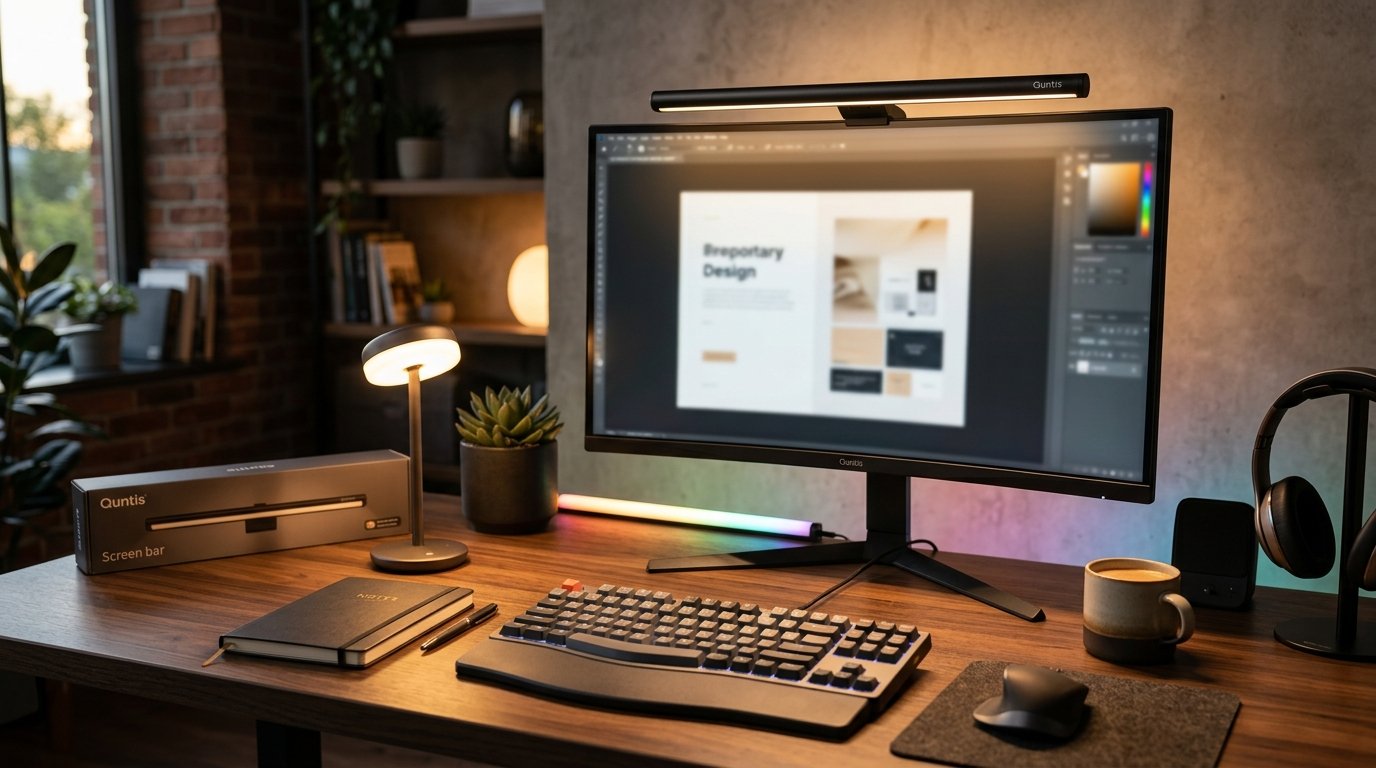
A computer light bar mounted above a 27-inch monitor sits outside your direct line of sight, so it lights the desk and wall behind the screen instead of shining into your eyes. That matters because a monitor emits its own light while your peripheral vision stays dark — the contrast is what causes eye strain during long sessions, not the monitor brightness itself. Most bars in this category run 400-500 lumens with adjustable color temperature between 2700K (warm, evening use) and 6500K (cool, daytime focus work).
The lawn lamps and solar fence lights are built for a different failure mode: weather. Anything staked into soil or mounted on a fence rail needs an IP65 rating at minimum to survive a wet autumn without the housing fogging up or the LED shorting out. Charging performance depends on placement — a panel angled toward 4-6 hours of direct sun will fully charge in a day and run 8-10 hours after dusk; tucked under a tree canopy, expect half that runtime.
Matching the Product to the Actual Problem
The desk lamp in this set is the most flexible item, and also the one most people under-spec. If you’re reading paperback novels, 400-500 lux at a warm color temperature is enough. If you’re doing detail work — drawing, sewing, technical drafting — you want closer to 1000 lux and a cooler, more neutral white so colors don’t shift. An adjustable-brightness lamp covers both use cases without buying two lamps.
The lightning cable rounds out the collection as the accessory people don’t think about until theirs frays at the connector — usually within four to six months on a cable without braided reinforcement. A nylon-braided cable with a reinforced strain relief at the plug typically survives daily coiling and uncoiling for over a year, which is the actual difference between a €6 cable and a €15 one.
- Computer light bar — reduces eye strain from screen-to-room contrast, not from screen brightness alone
- Desk lamp — match lux and color temperature to the task, not just the room
- Lawn lamp / solar fence light — IP65+ rating and 4+ hours of direct sun are the two variables that actually determine performance
- Lightning cable — braided housing and reinforced strain relief predict lifespan better than price alone
Frequently Asked Questions About Feature Products
Are these featured products suitable for both indoor and outdoor use?
No single item here covers both. Desk lamps and computer light bars use standard LED drivers not rated for moisture, so they stay indoors. Lawn lamps and solar fence lights are IP65-rated or better, built to sit outside through rain and frost without the housing degrading.
Do the solar-powered lights require direct sunlight to charge?
They need at least 4 hours of direct exposure for a full charge and a full night of runtime. Diffused light through cloud cover or partial shade still charges the panel, just at a reduced rate — expect noticeably shorter illumination after dusk.
Is the lightning cable compatible with all Apple devices?
It works with any device using Apple’s Lightning connector — most iPhone models through the 14 series, several iPad generations, and accessories like AirPods charging cases. USB-C iPhones (15 series onward) need a different cable.
How long do these featured products typically last?
LED components in the light bars, desk lamps, and solar lights are rated for 25,000-50,000 hours of use, well beyond the life of the housing or battery around them. Solar battery packs are the first component to degrade, usually needing replacement after 2-3 years of daily cycles.
Can I use a desk lamp as my primary light source in a small room?
For a task-focused setup, yes — a desk lamp at 1000+ lux covers reading and close work fine. For general room lighting it falls short: the light is directional and doesn’t fill the space evenly, so pair it with an overhead or ambient source if you’re using the room for more than one task.